The word gets used as a synonym for harsh, which it is not. Strict is a register, not an intensity — and the difference decides whether a clip lands for you or misses entirely.
Strict means rules exist beforehand
Something was agreed, then it was broken or kept, and there is a consequence. The whole structure rests on a standard that was set before the camera ran. A clip can be strict and physically gentle; another can be brutal and not strict at all, because nothing was ever agreed.
Correction is not humiliation
Correction addresses a behaviour: you did this, therefore that. Humiliation addresses the person: you are this. Producers usually work in one register or the other and are quite deliberate about it. Buyers who conflate the two are the ones most often disappointed, in both directions.
Protocol is the quiet part
Form of address, posture, when to speak, what to ask permission for. It is undramatic and it is what carries long clips — the tension comes from a rule being present, not from anything happening.
Consequence needs to be proportionate to be readable
A response that ignores what preceded it reads as arbitrary, and arbitrary is the opposite of strict. That is why the count matters in corporal clips, and why a good producer states the reason before the consequence rather than after.
How to search for it
Filter by format first: verbal or physical, one dominant or two, short or long. “Strict” itself is rarely a category — it lives in the description, and reading two lines of it tells you more than any tag.
Latest
 18+
Beim Casting geschummelt
amateur
18+
Beim Casting geschummelt
amateur
 18+
Duell im Recall
amateur
18+
Duell im Recall
amateur
 18+
Fick in quietschendem Lack
amateur
18+
Fick in quietschendem Lack
amateur
 18+
Hauptuntersuchung
amateur
18+
Hauptuntersuchung
amateur
 18+
Hobbyhure unterwegs
amateur
18+
Hobbyhure unterwegs
amateur
![Episode 13: Needle Play – Part 3 [Bonus] : He takes me like this](https://lewdden.com/wp-content/uploads/guyscat-posters/clip-961016-a3c1a47170fe-576x1024.jpg?width=640) 18+
Episode 13: Needle Play – Part 3 [Bonus] : He takes me like this
Cbt
18+
Episode 13: Needle Play – Part 3 [Bonus] : He takes me like this
Cbt
 18+
Geiler Fick in Overknees
amateur
18+
Geiler Fick in Overknees
amateur
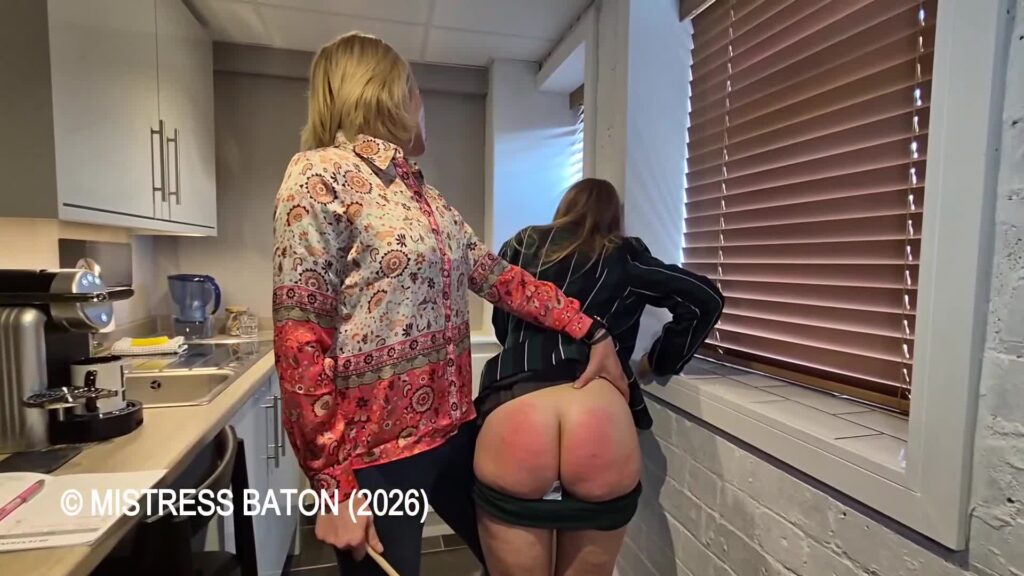 18+
LIAR LIAR PANTS ON FIRE
Adult School
18+
LIAR LIAR PANTS ON FIRE
Adult School